
The use of UV or protector filters on camera lenses is a highly debated topic. To be honest, the lens front element is so much thicker than a UV/protector filter, and it will likely survive from a fall without shattering like a filter (a lens hood does a better job to protect your lens from bumping or dropping). However, the lens front element may get scratches from the sharp particles like stones, sands, or salts. Besides, improper lens cleaning may cause the coating faded over time.
Unfortunately, not all filters are created equally. Even entry-level and upper-grade filters from the same brand can have significant differences in preserving the image quality. Is such difference in image quality noticeable and is it worth investing in the more expensive filter? I conducted a simple test comparing a few filters from different brands and price ranges to help you decide if a lens filter is worth your money.
Disclaimer
- This isn’t a lab-grade scientific test;
- The camera settings (exposure, white balance, and focus) are manually set;
- The test shots are taken with a wireless remote on a tripod;
- There’s no sponsor – I bought all the filters with my own money;
- There are 2 protector filters and 5 UV filters from 6 different brands used in this test, including brands from German, Japan, China, and USA;
- There is 1 entry-level UV and 1 upper-grade UV filter from the same brand;
- The filter’s prices range from SGD 10 to SGD 100, quoted for the 67mm model sold in Singapore;
- I list the filter’s price instead of the brand to make the test subjective;
- The test results only applicable to the filters tested in this post, where they could be affected by sample variants.
What Will Be Tested?
Sharpness Test
The sharpening is reset to 0 for all the sharpness test shots and then compared in RAW at 100% zoom. Multiple test shots are taken for each filter to ensure that the sharpest shot is selected for comparison. I tested two different focal lengths (50mm and 180mm) because there is always a saying that using a filter on the longer focal length has greater impact to the image quality.
Sharpness Test (50mm)
The test shots were taken at around 0.3m away with Sony 50mm F1.4 GM.
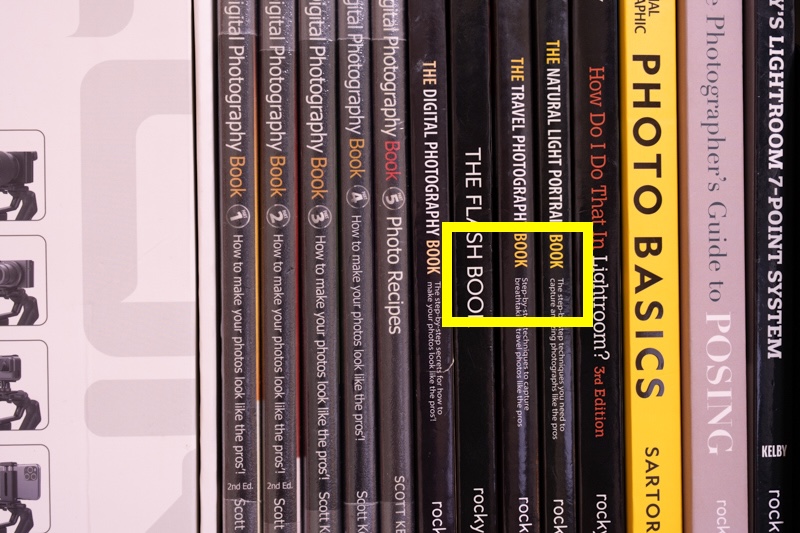
Regardless of the filter’s price, using a UV/protector filter on a 50mm lens at such close distance has minimal to no impact to the sharpness.
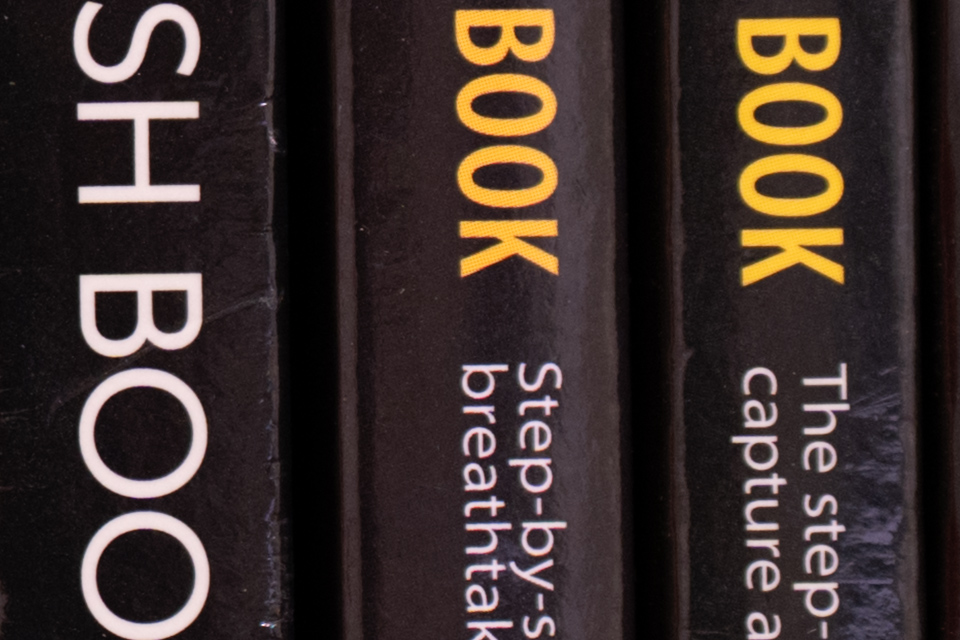




Sharpness Test (180mm – Near Field)
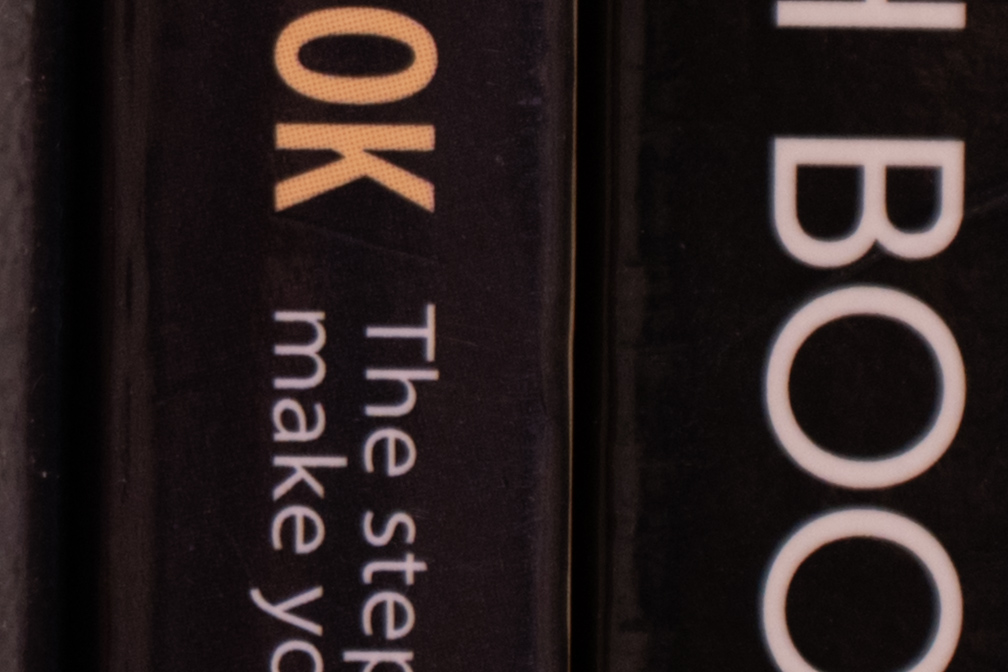
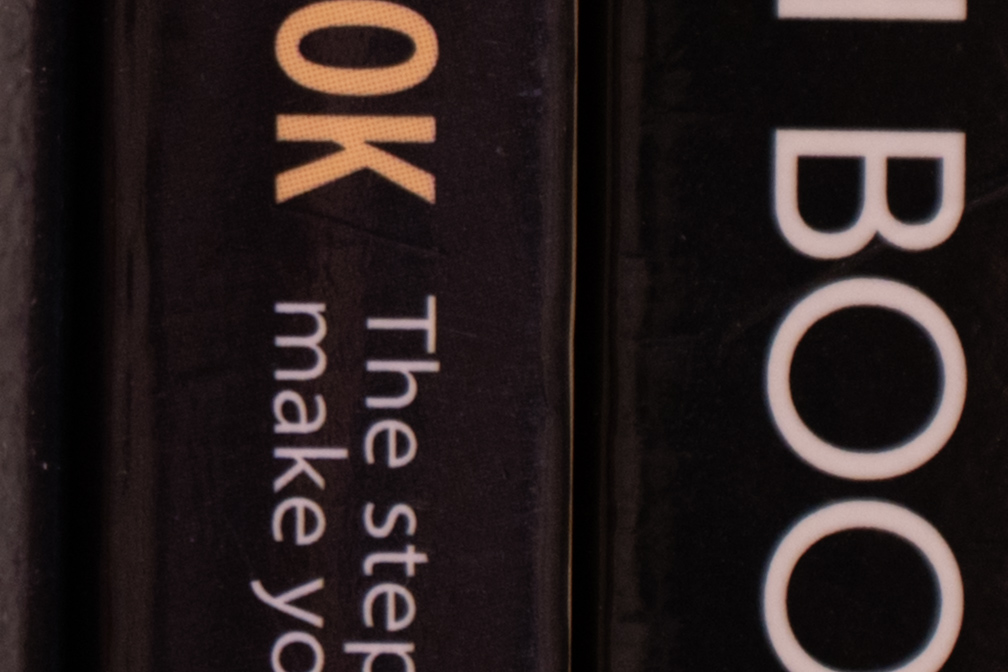
The test shots below were taken at around 1m away with Tamron 70-180mm @ 180mm.

Using a UV/protector filter on 180mm at such shooting distance (1m) does not impact the sharpness.



Sharpness Test (180mm – Mid Field)
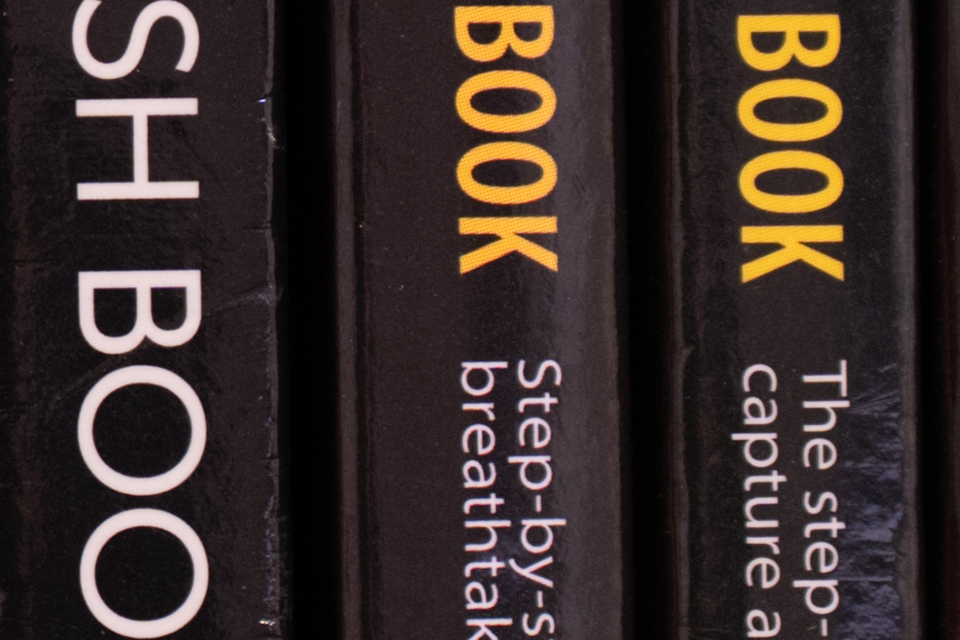
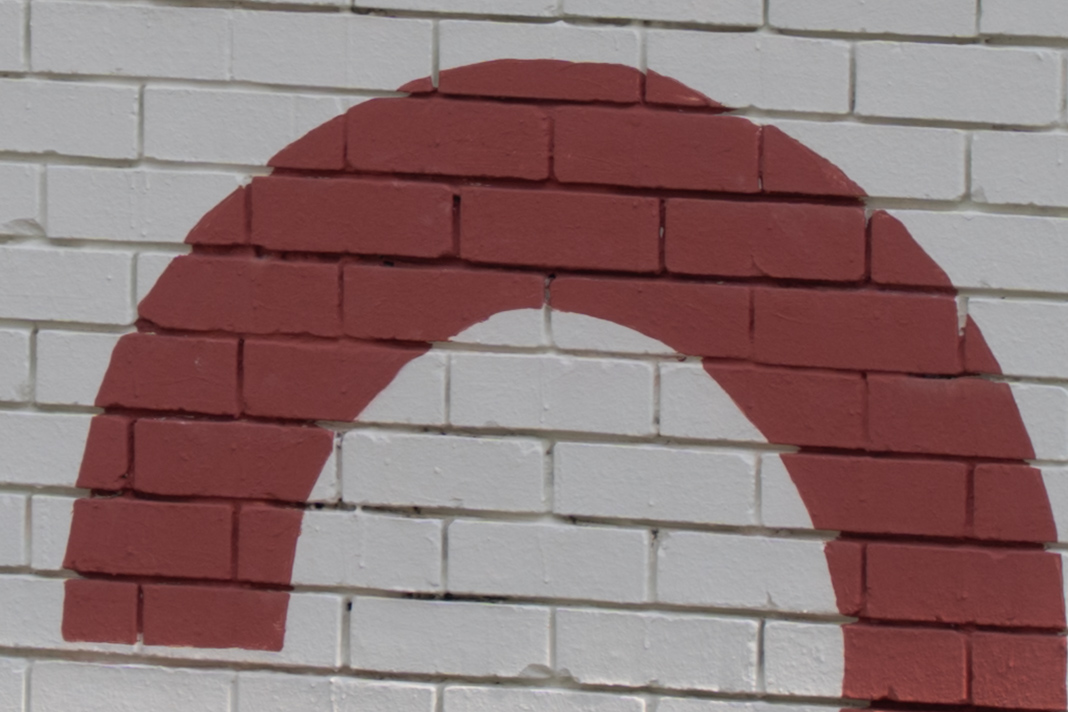
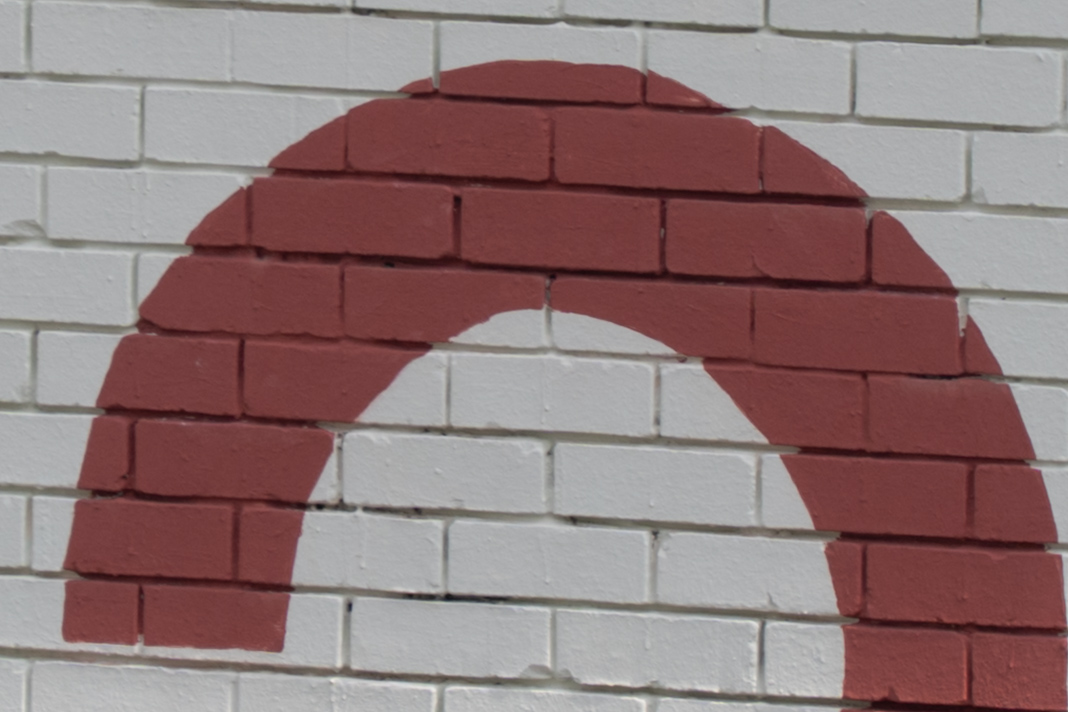
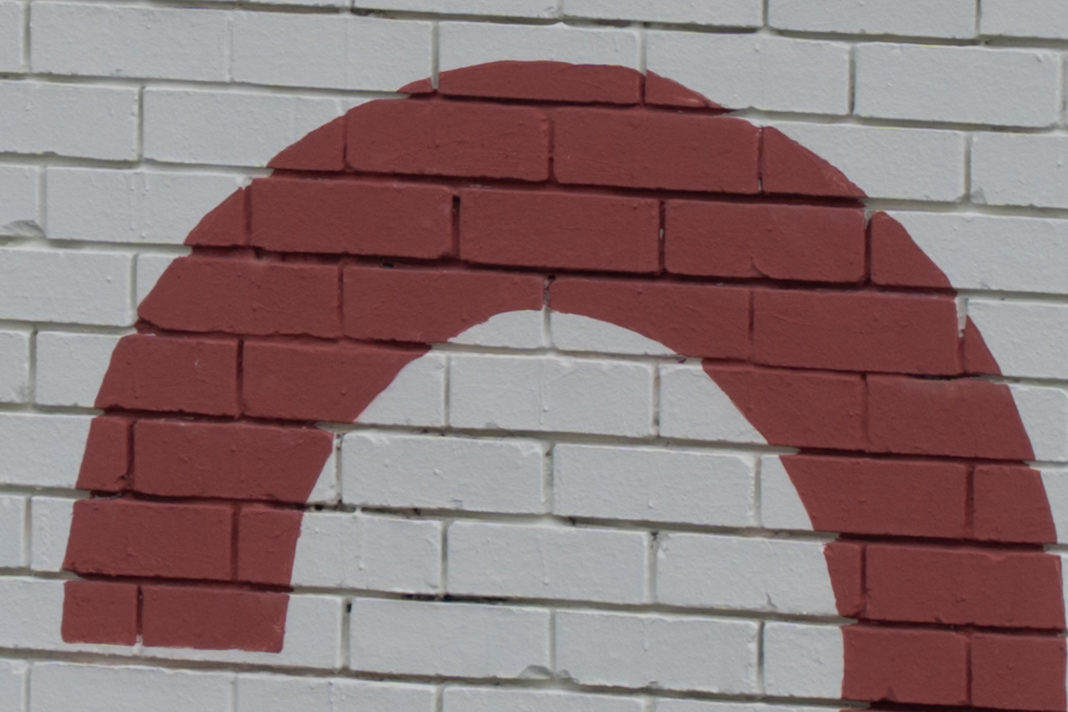
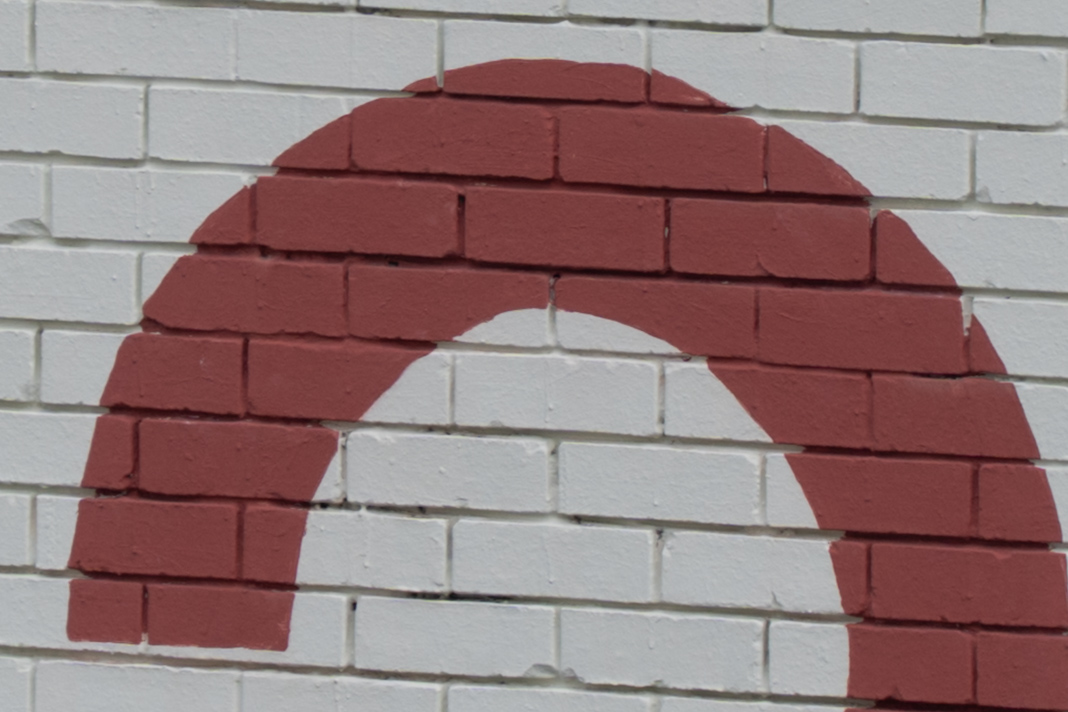
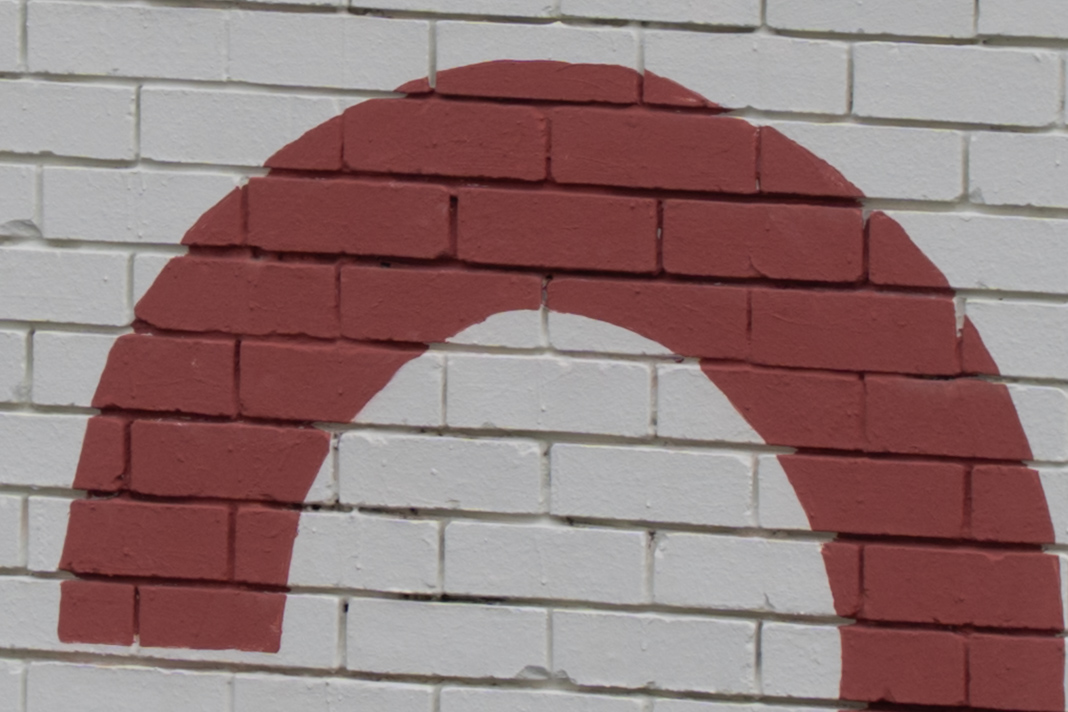
The test shots below were taken at around 30m away with Tamron 70-180mm @ 180mm. For reference, I usually stand around 10 – 15m away from the subjects when using a 70-200mm lens during an event photoshoot.
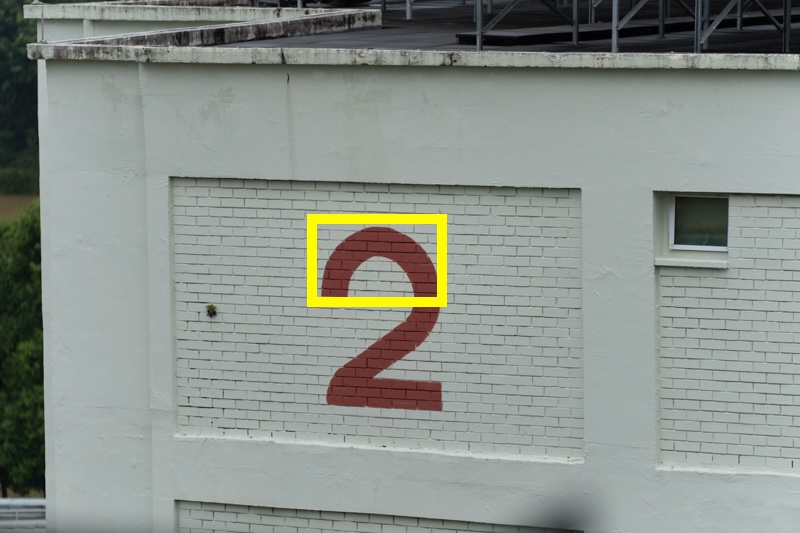
The filters have minimal impact to the sharpness when shooting mid-distance (30m) subject. The results have exceeded my expectation where I expect to see a more obvious sharpness degradation for the cheaper filters.



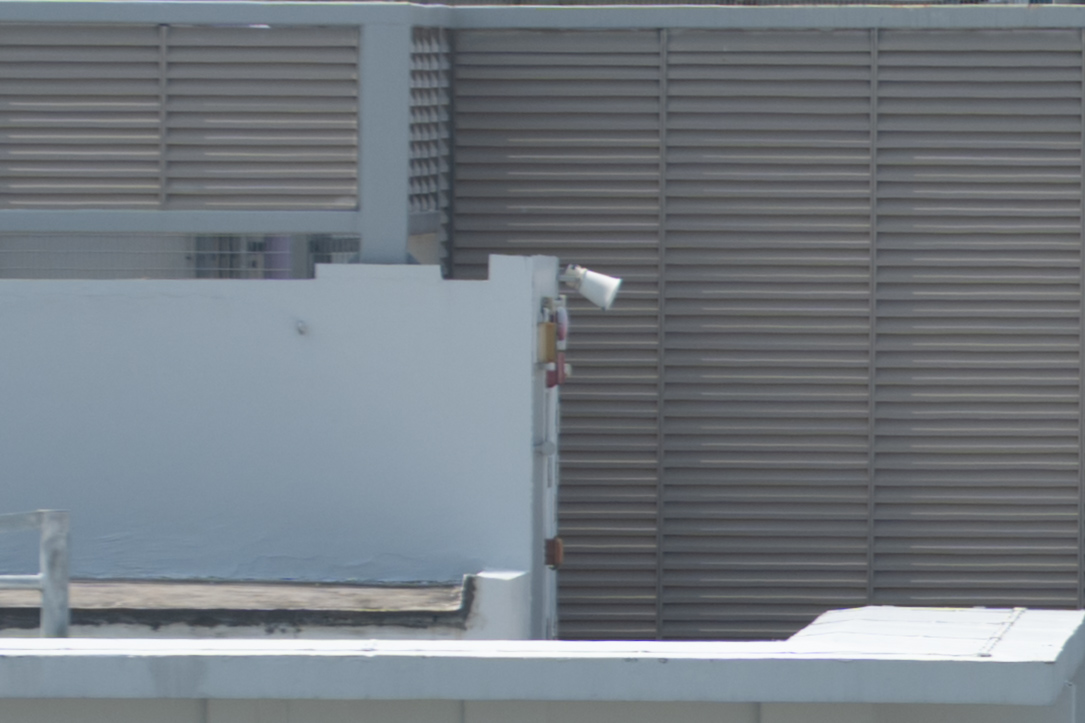
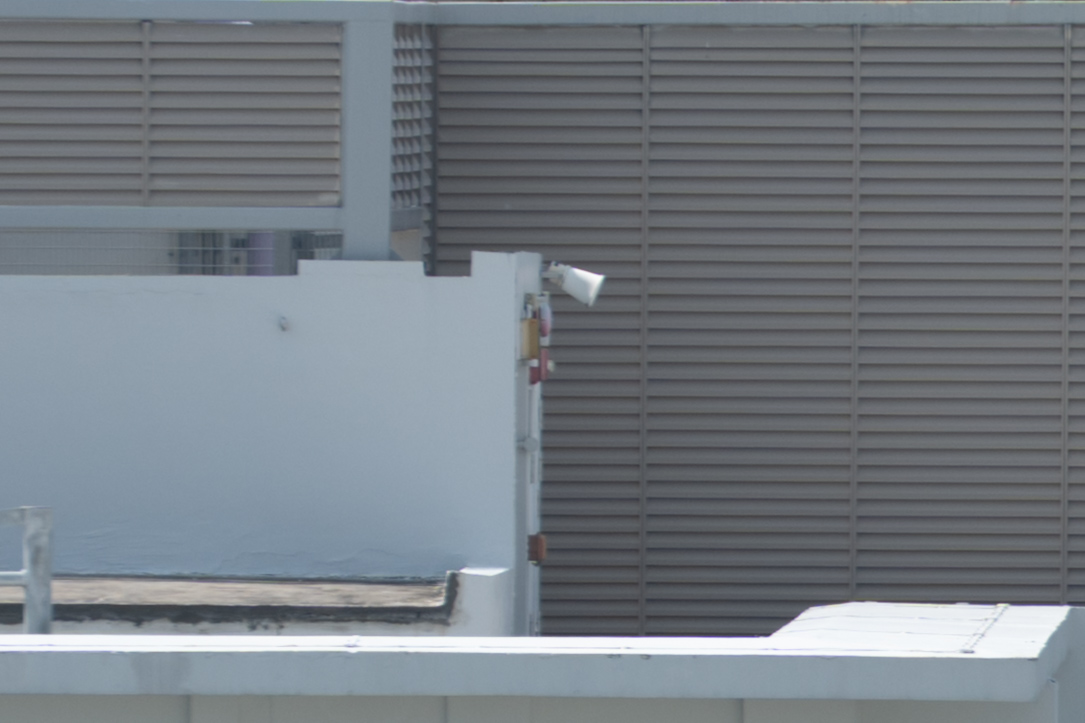
Sharpness Test (180mm – Far Field)
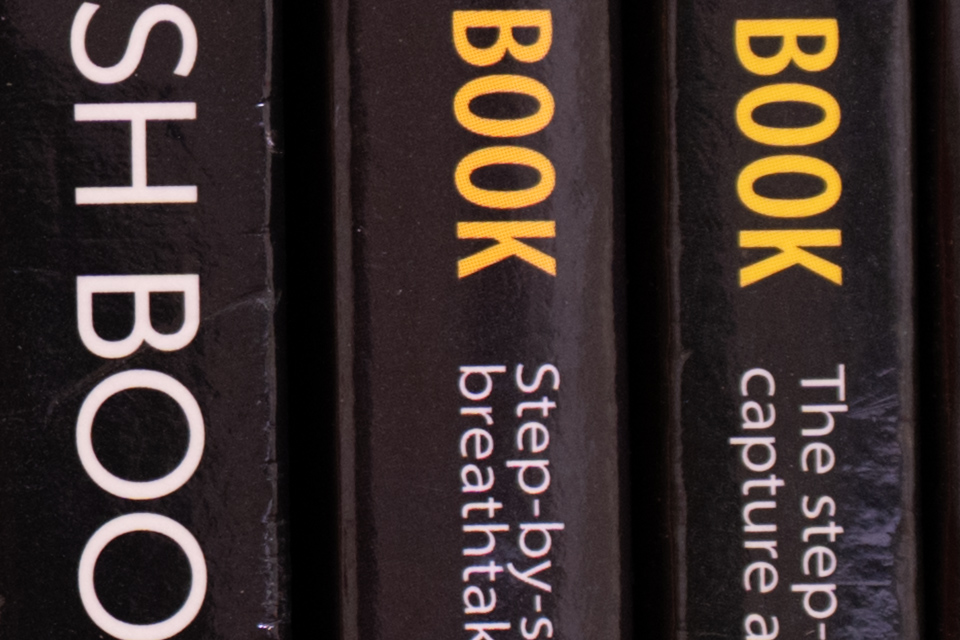
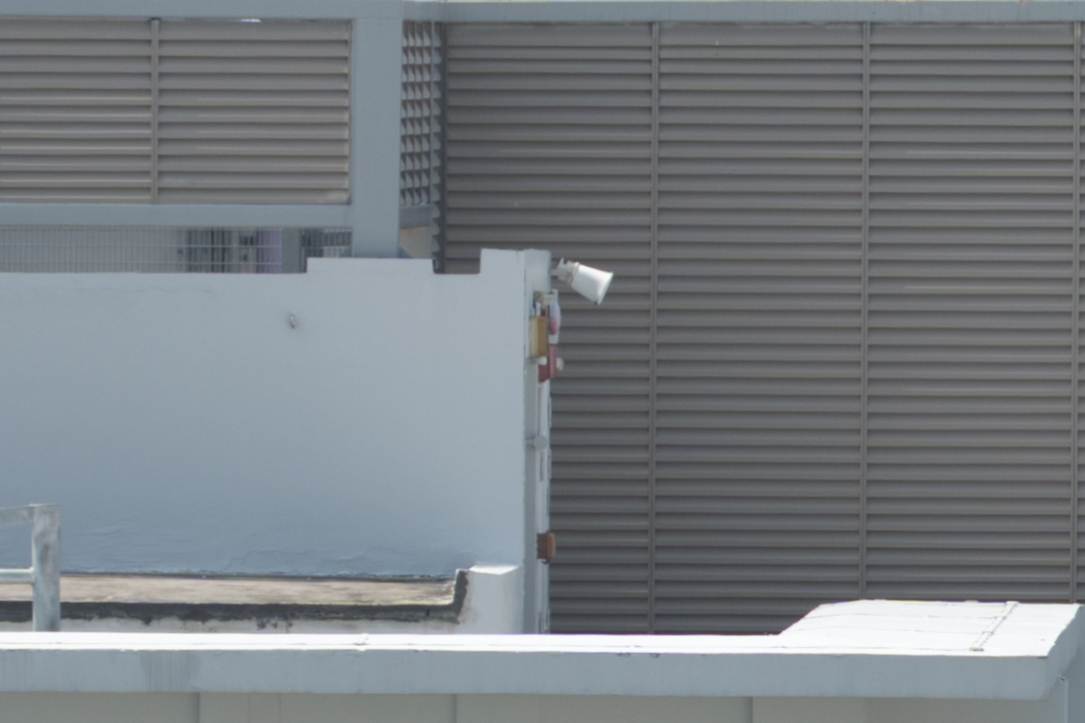
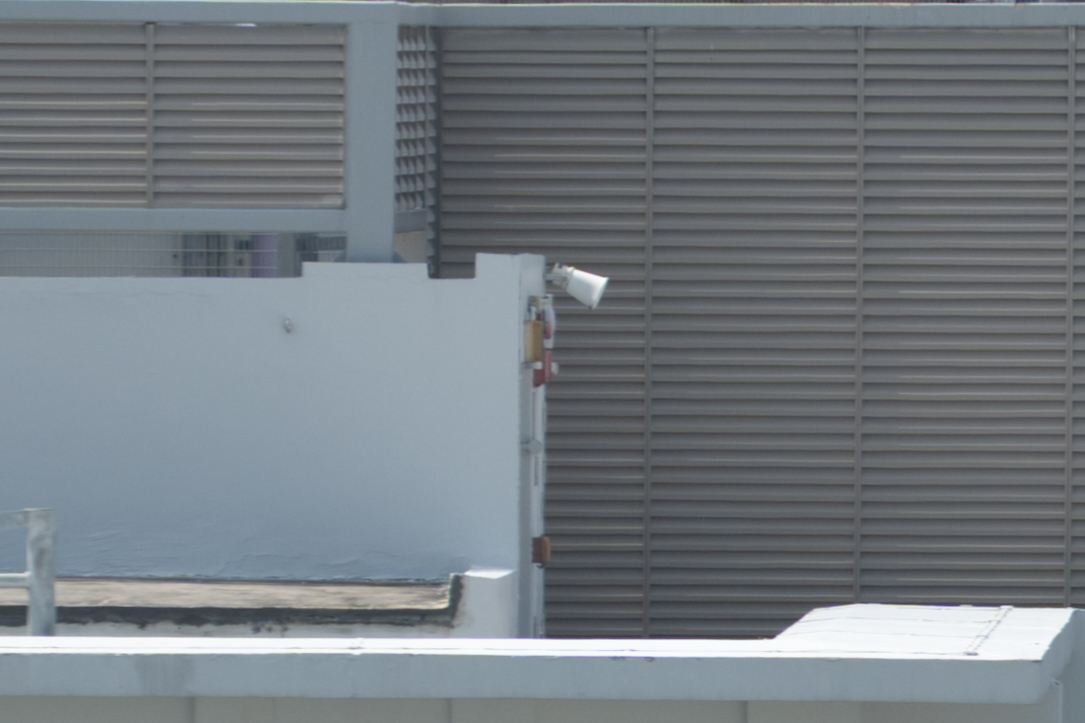
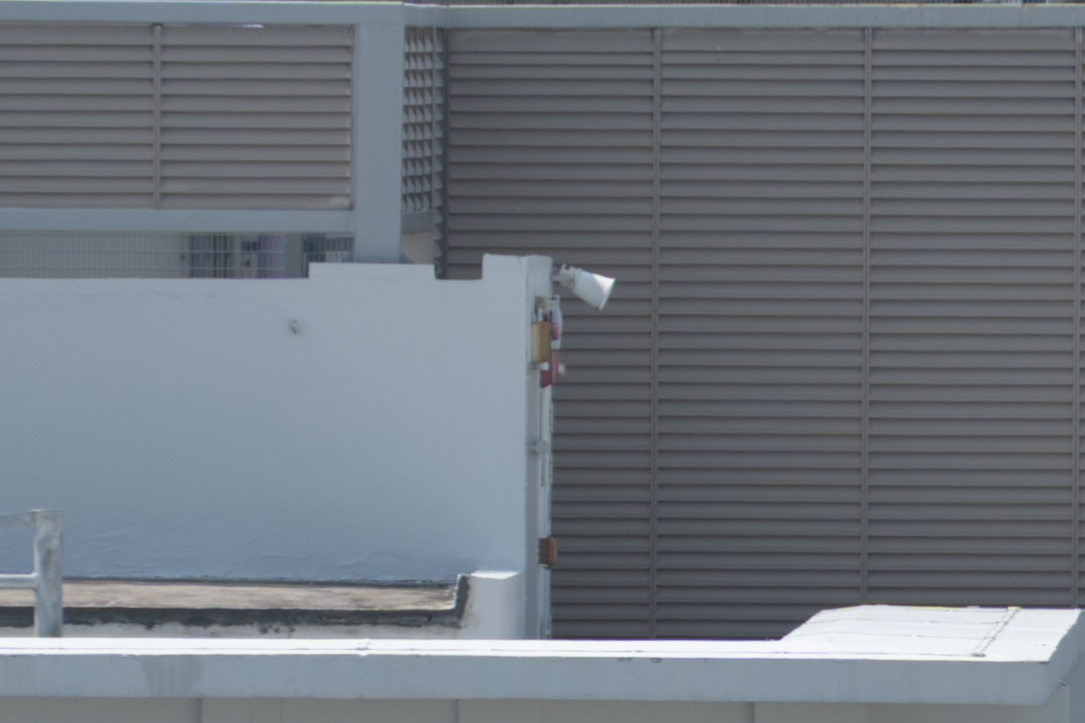
The test shots below were taken at around 170m away with Tamron 70-180mm @ 180mm. Unfortunately, I don’t have any 300mm or longer focal length lens to test the filter’s performance.
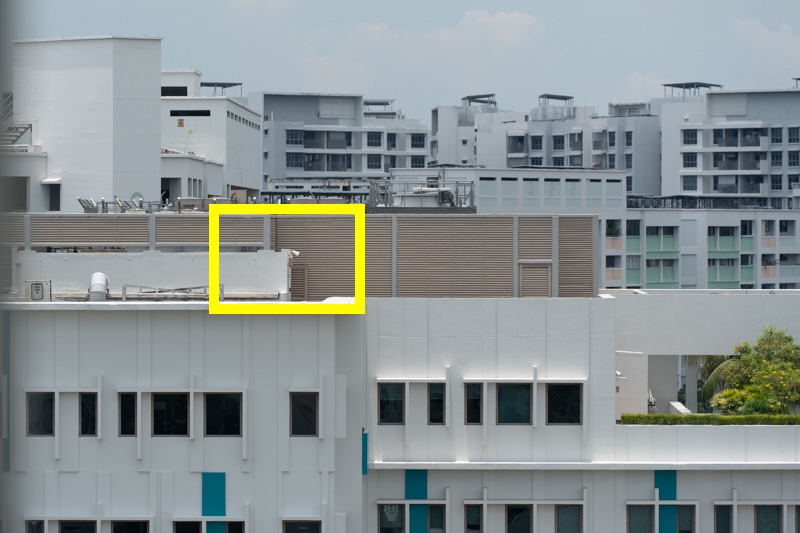
The higher-end filters do a great job of keeping the images crisp and clear, while the more budget-friendly ones (filters A, B, and C) seem to soften the contrast, giving shots a slightly fuzzy appearance. From what I’ve tested, it seems like the farther you are from your subject, the more sharpness can be degraded by the filter.
However, such sharpness loss is not a concern to me because Lightroom will auto apply the sharpening when importing the photos and make the photos look similarly sharp.



Ghosting & Flare Test
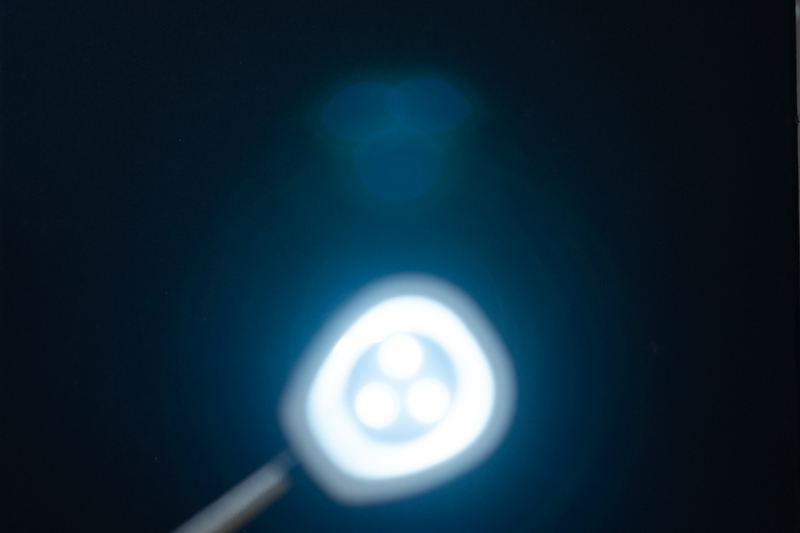
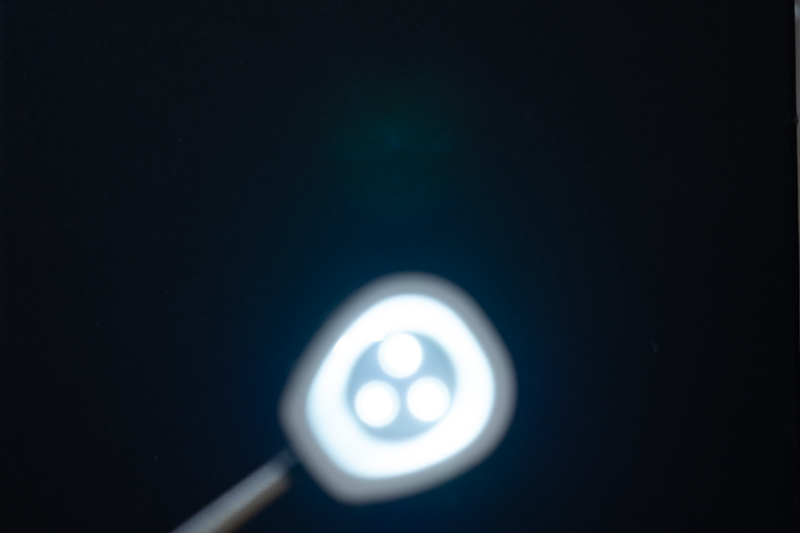
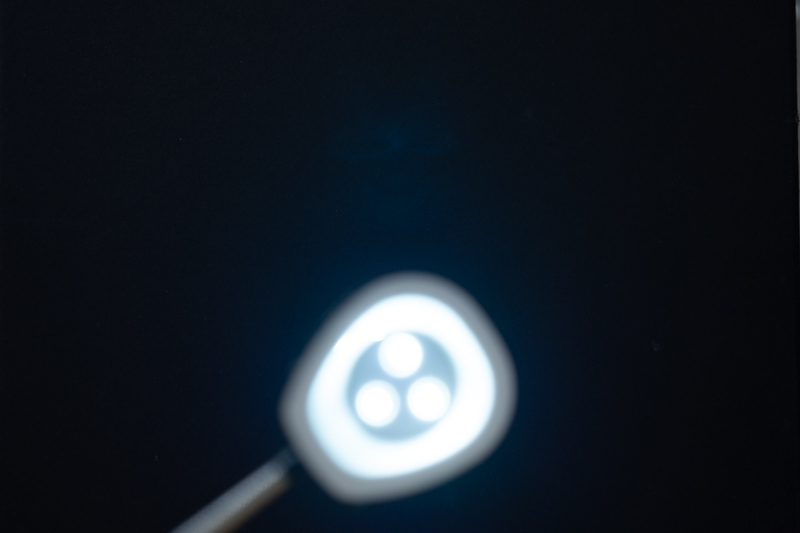
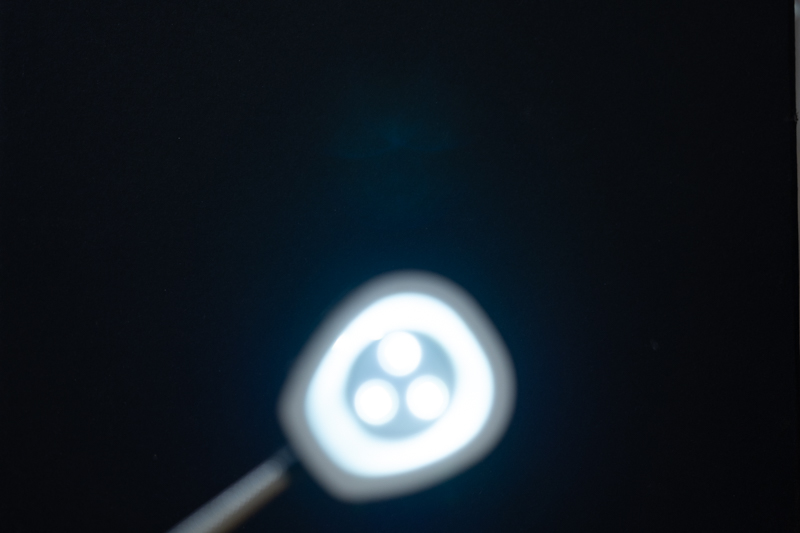
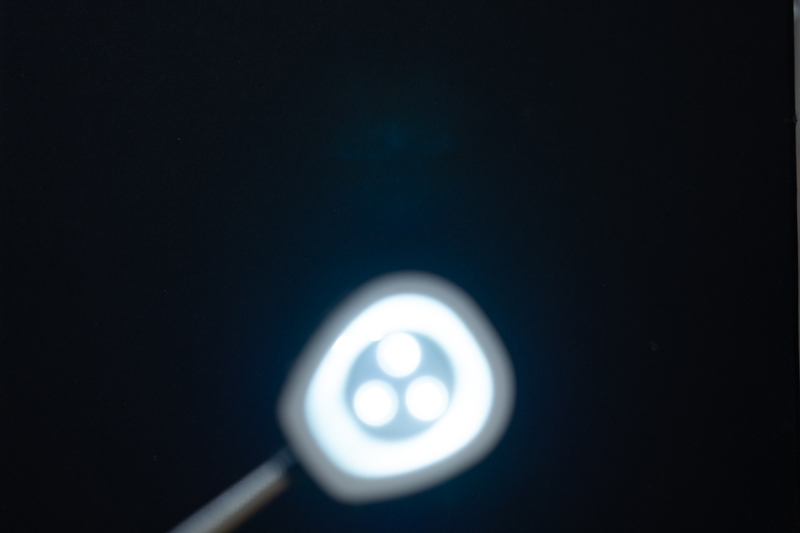
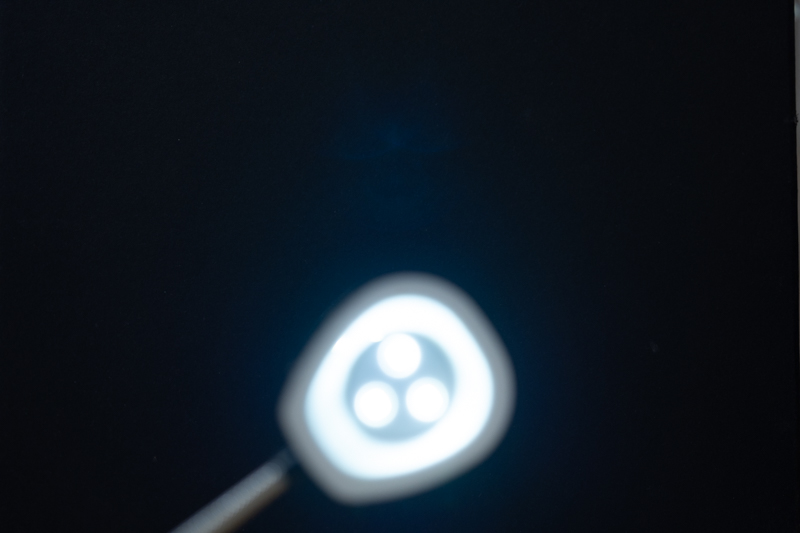
Lens Used – Sony 50mm F1.4 GM @ F1.4
Filter A & B significantly worsen the ghosting and flare. Filter C does a great job in handling the ghosting with a tad bit more of flare as compared to the more expensive filters. It is so impressive for a filter at such price (SGD 38)!
It is worth to take note about ghosting and flare issue because they could greatly affect the contrast, and almost impossible to remove completely.
A filter with more layers of coating generally offers better anti-glare performance.
Colors Shift Test
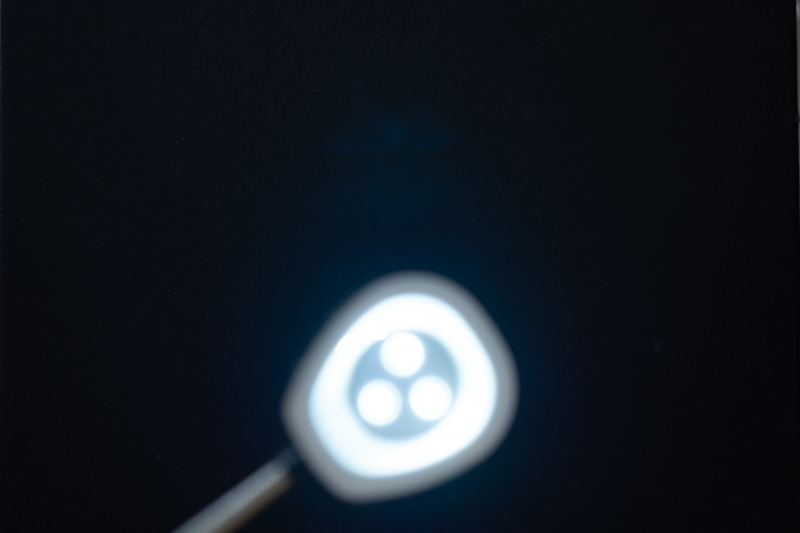
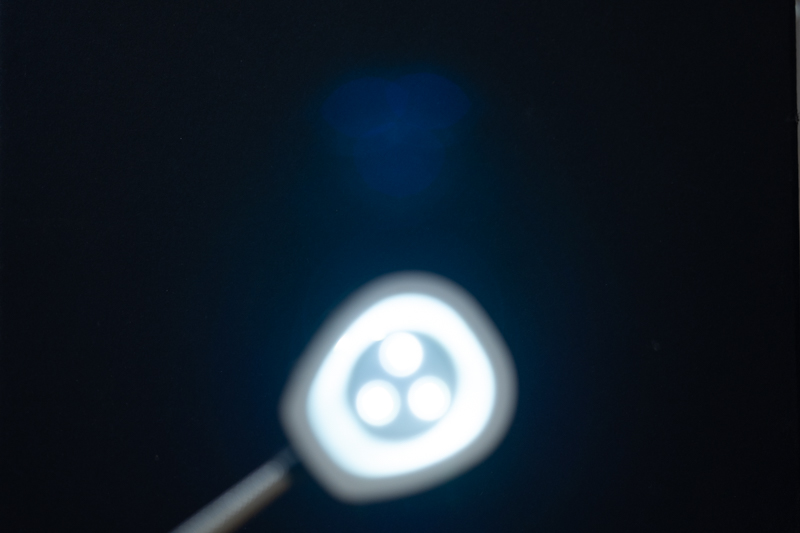
Lens Used – Sony 50mm F1.4 GM @ F1.4
Out of my expectation, the tested UV/protector filters do not significantly affect the colors, including the cheaper one. Yes, filter B has some blue flaring on the left side which reduce the contrast but the colors are still pretty close to the shot without using a filter.


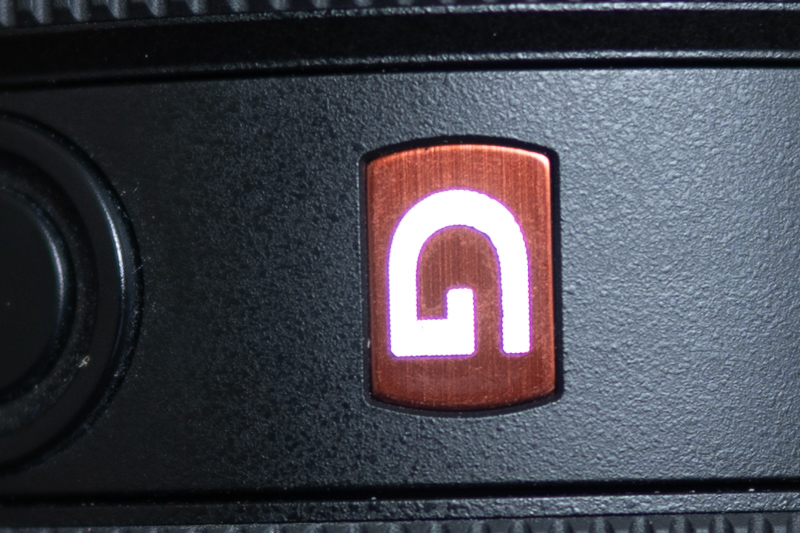
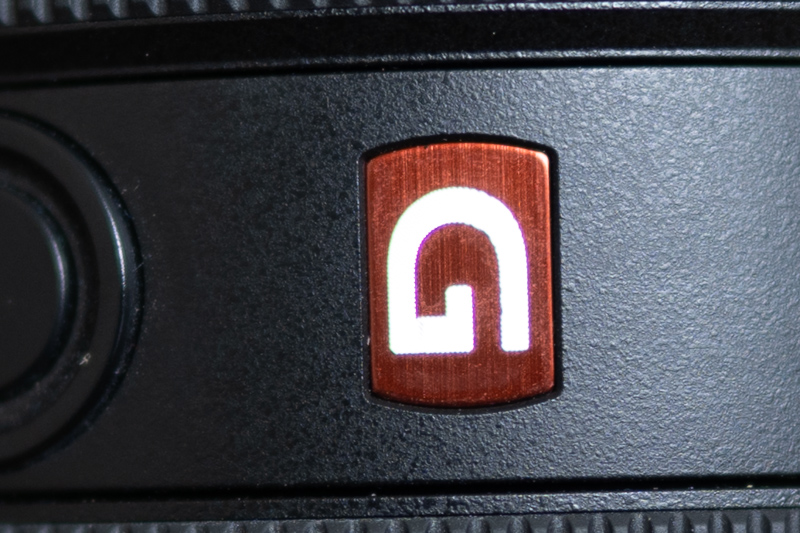
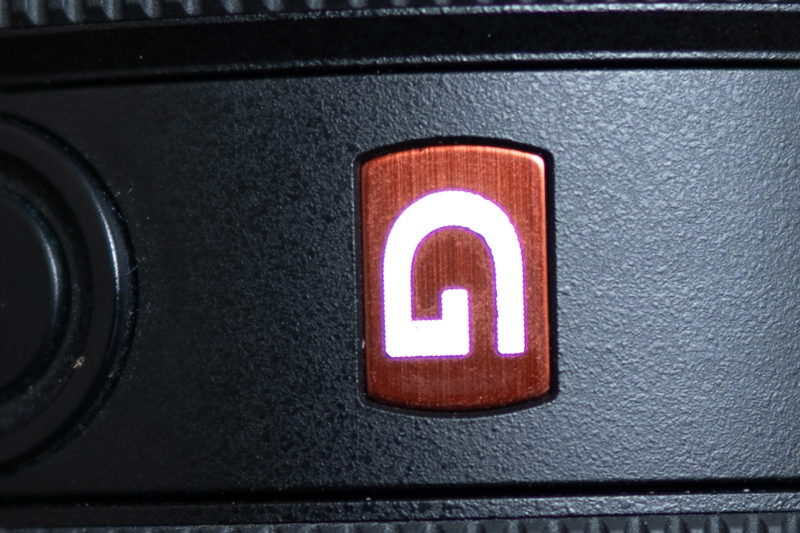
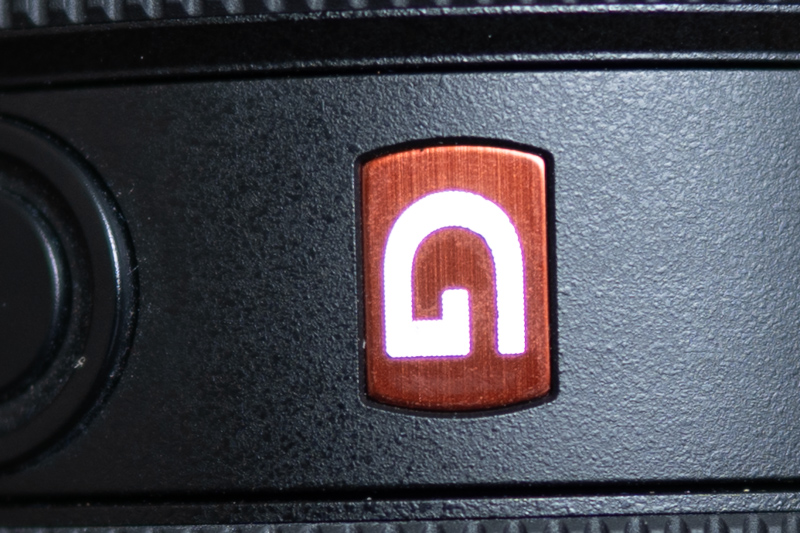
Chromatic Aberration Test
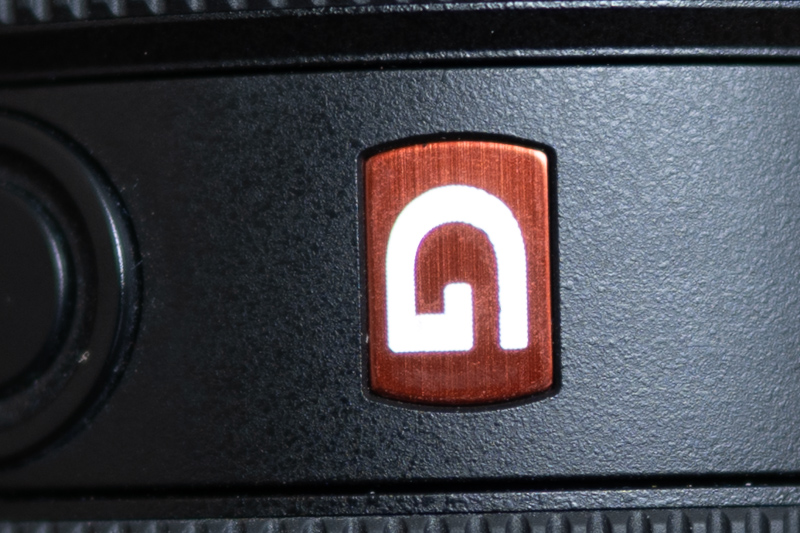
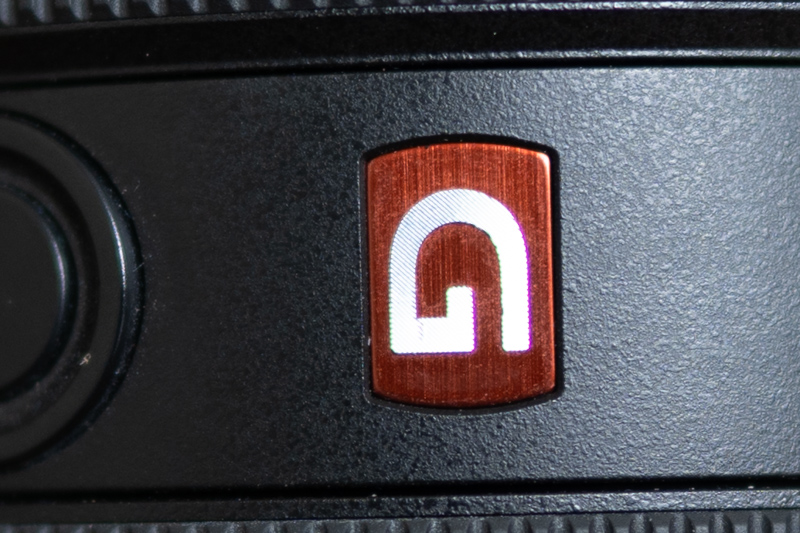
Lens Used – Sony 50mm F1.4 GM @ F1.4
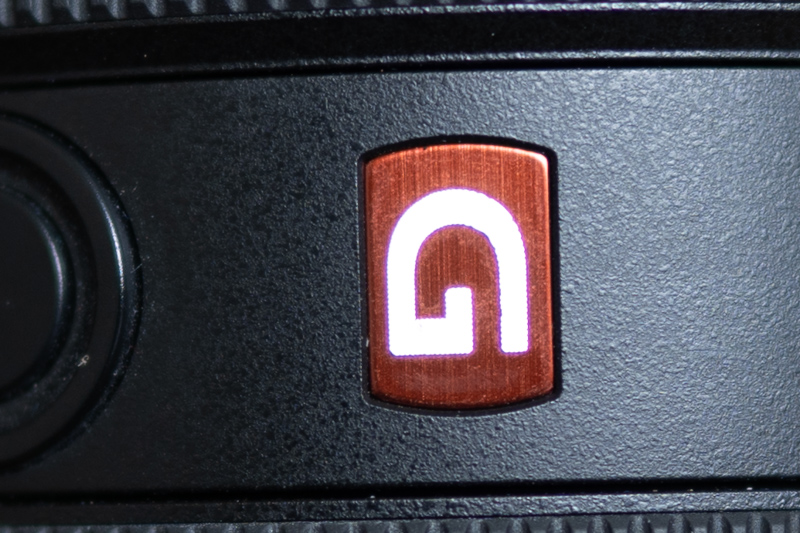
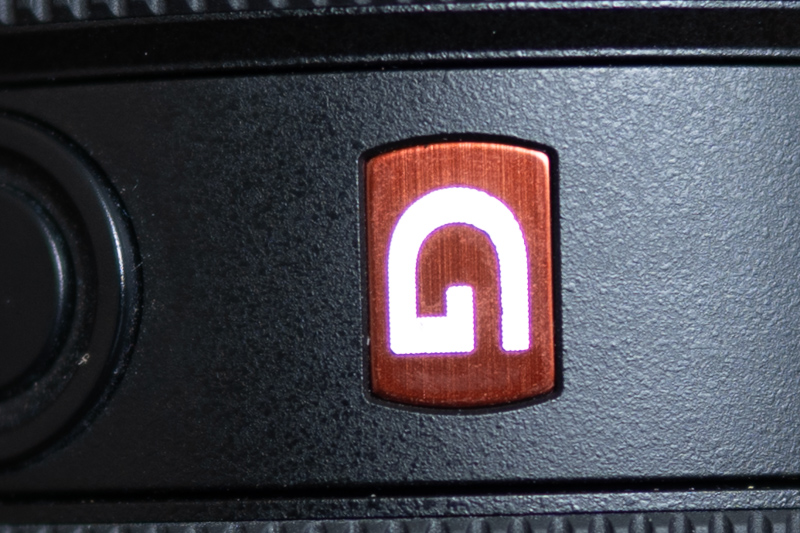
Regardless of the filter’s price, all tested filters worsen the CA on the high contrasted “G”. Interestingly, I have never noticed such CA issue when taking close-up ring shots during proposal sessions, but such CA could be a concern for jewellery product photography.
Summarized Test Results
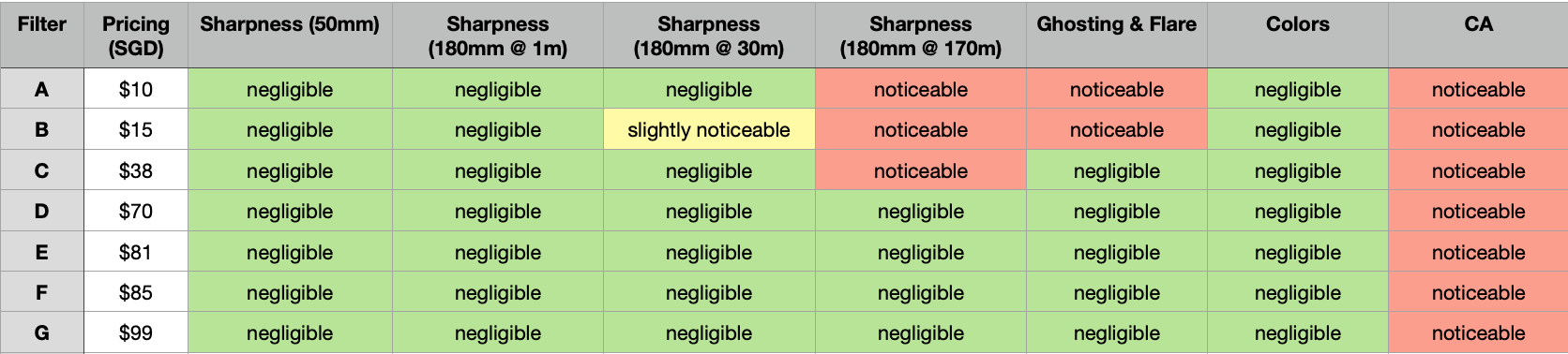
Based on the test results, I summarized that a UV/protector filter:
- has minimal impact to sharpness when the subject is nearby;
- has more visible impact to the sharpness when the subject is further away ;
- with a higher price tag likely has more layers of coating and/or better coating technologies which results in a better handling in ghosting and flare;
- has minimal impact to colours regardless of the filter’s price;
- worsen the chromatic aberration regardless of the filter’s price.
Final Thought
In conclusion, using a higher-quality UV/protector filter on the lens has minimal impact to the image quality. Therefore, I always allocate 5 ~ 6% of my lens’ cost as the budget to determine if the lens deserves a good quality filter like B+W. I consider the additional protection against oil, dirt, and scratches to be worthwhile despite the negligible impact to the image quality.
Just keep in mind that you can simply adjust the sharpening settings in the photo editor to compensate the sharpness loss, and it will yield a good enough result. Ghosting and flare issues are more commonly seen on those entry-level filters and it is difficult or impossible to completely remove them from the photos. Therefore, I strongly suggest you to prioritize a filter’s anti-glare and anti-ghosting capabilities when you are looking for a UV/protector filter.
Hopefully this test could help you to clear some doubts about UV/protector filters. Happy shooting!
Leave a Reply